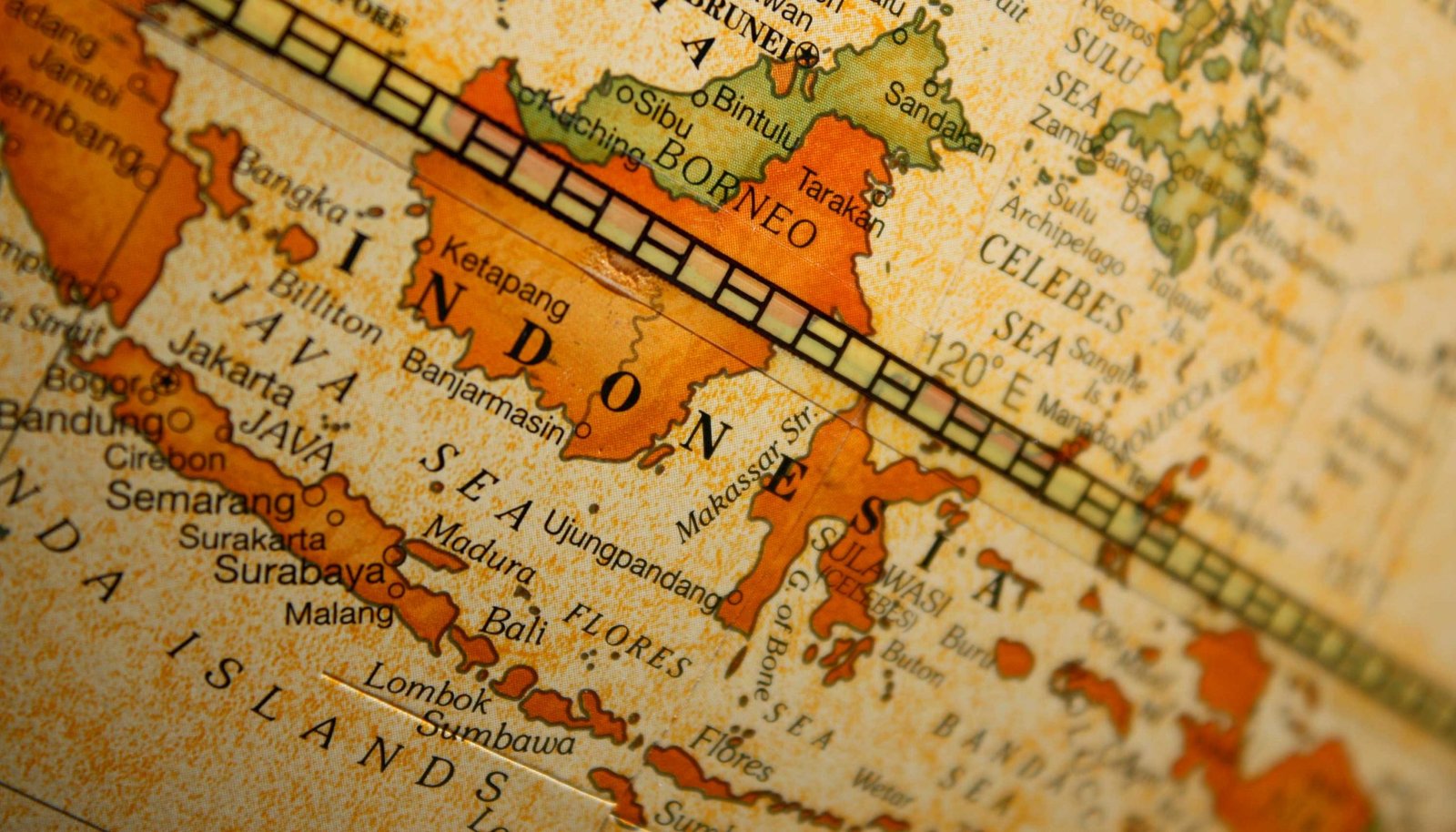
In Southeast Asia, between the Indian and Pacific Oceans, Indonesia is the largest archipelago in the world, over three time zones and more than 5,000 km from east to west and 2,000 km north to south . Around 13 000 islands out of which 6000 are uninhabited. Located partly on the equator Indonesia counts 70 to 80 active volcanos and the snow-capped volcano of Puncak Jaya (5030m) in the province of Irian Jaya.
Here are some figures for Indonesia
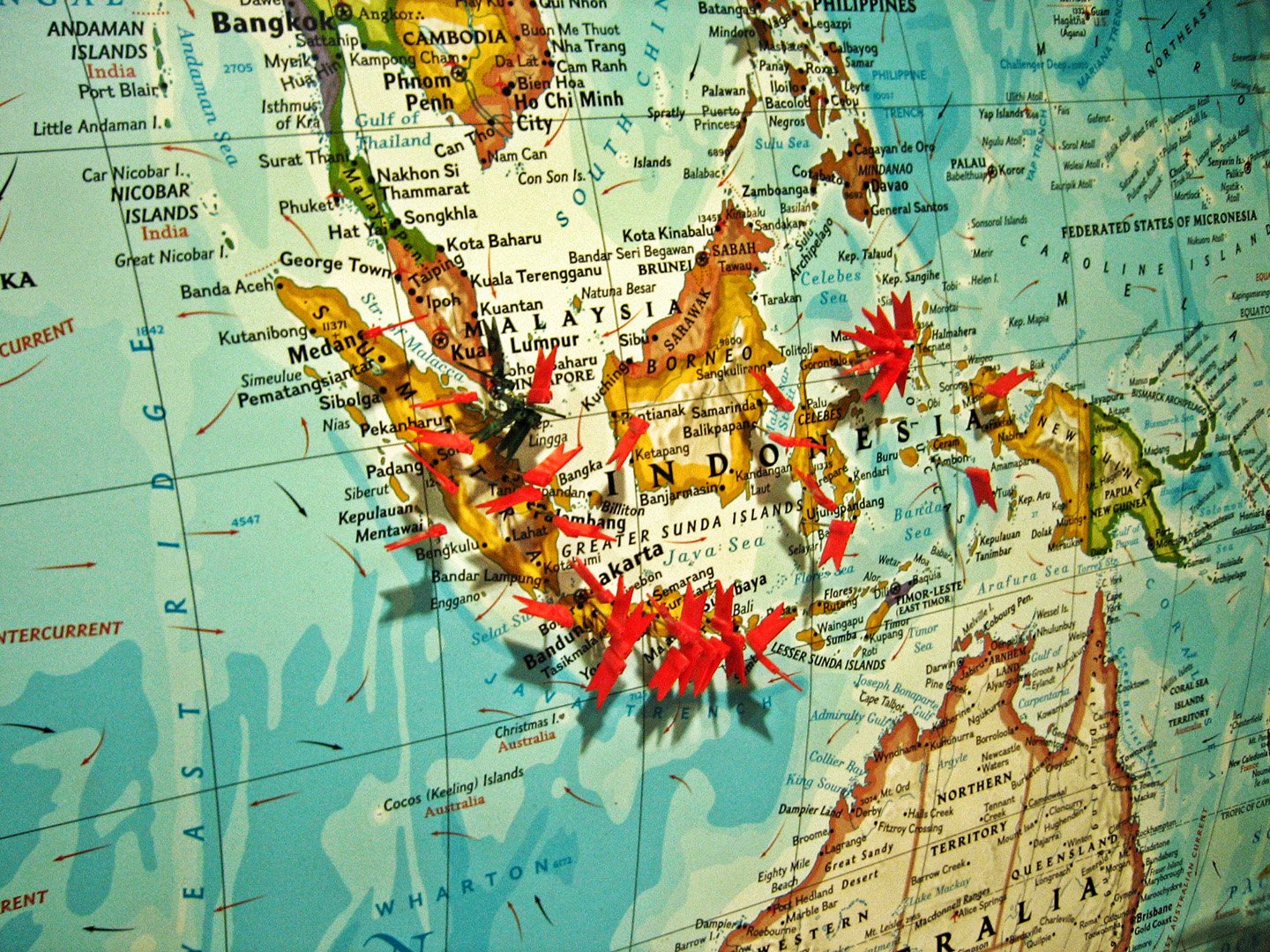
- Area: 1,919,000 km2, three and a half times France.
- Jakarta: capital of Indonesia, is 12 000km away from Paris or London.
- With an estimated 234 million people in 2008, Indonesia is the fourth country after China, India and the United States as far as inhabitants. The island of Java alone, which represents only 7% of the territory counts for nearly 60% of the total population of Indonesia. Jakarta is the most largest Southeast Asian city (megalopole of 18 million people including the suburbs). Life expectation is 70 years, and more than half of the population in Indonesia is under the age of 24 years.
- Agriculture (44% of the active population): Indonesia is one of the largest worldwide producer of natural products such as rubber (second largest producer), copra, palm oil, coffee, cocoa and spices. The country is also the fifth largest wood producer, generating big problems of illegal logging: the forest has decreased by almost 25% in five years.
- Energy and industries: first oil producer in Southeast Asia, first producer of liquefied natural gas in the world, third largest producer of tin and copper, fourth largest producer of nickel and the seventh for gold.
- Tourism: almost 5 million visitors in 2006, a decline following the terrorist attacks in Bali in 2009 and natural disasters such as the 2004 tsunami in Aceh (north of the archipelago). 70% of the visitors come from Asia (especially Japan). Bali alone ensures 90% of the tourism revenue.
- If the official language is Indonesian (bahasa indonesia) the business language is English. There are about 580 languages and dialects throughout the archipelago (the Javanese being the most common).
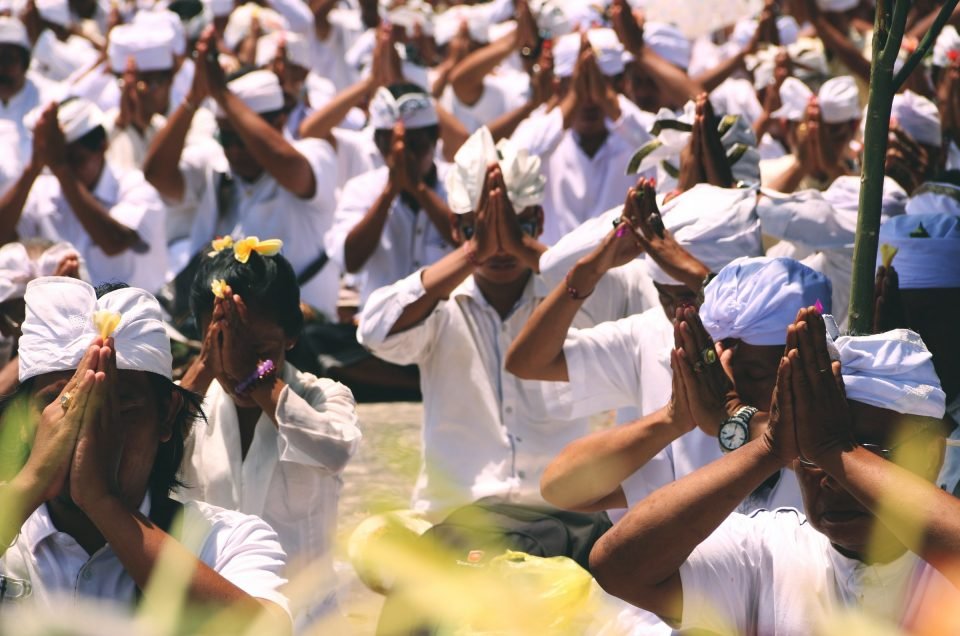
- There is no state religion, but the constitution requires all Indonesians to declare their appurtenance to one of the four major religions (Islam, Christianism, Hinduism, Buddhism). The population being in majority Islamic (88%) makes Indonesia the largest Muslim nation in the world. Though the government refused to include the word “sharia” in the nation’s constitution.