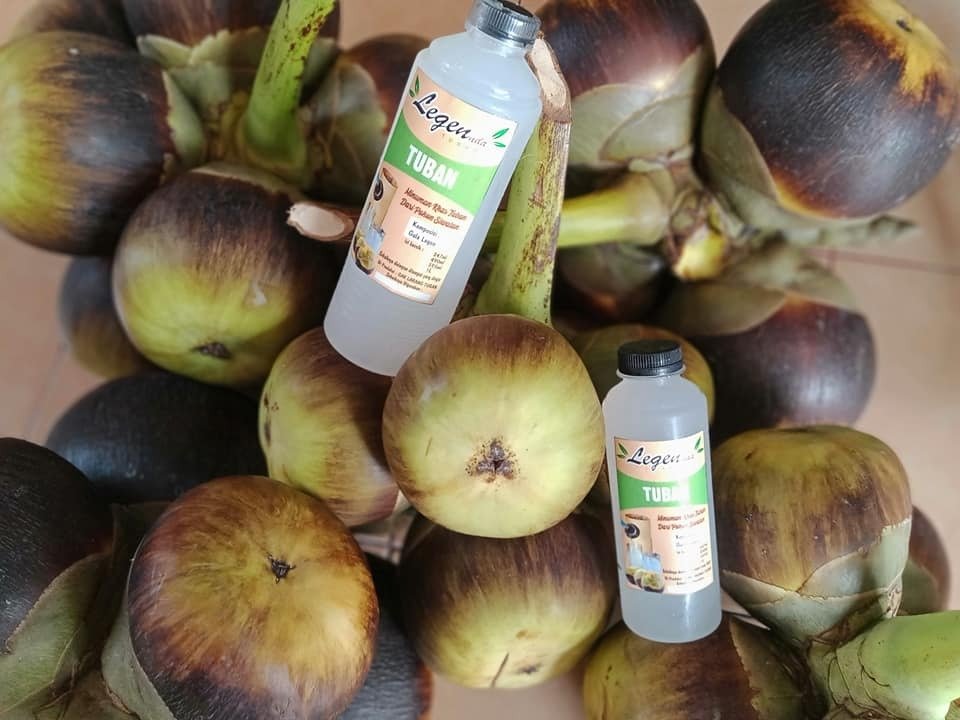
Rotinese-The lontar palm- sugar plants
The lontar palm — or “tree of life” — is crucial for the people of Roti island in southern Indonesia, who use it for food, shelter and an array of everyday products. Some of the tools used to collect the lontar palm juice — tuak manis — all made from parts of the palm itself. Alexander Haninuna, 50, climbs his first lontar palm of the day. Haninuna has climbed the three trees in his backyard thousands of times.
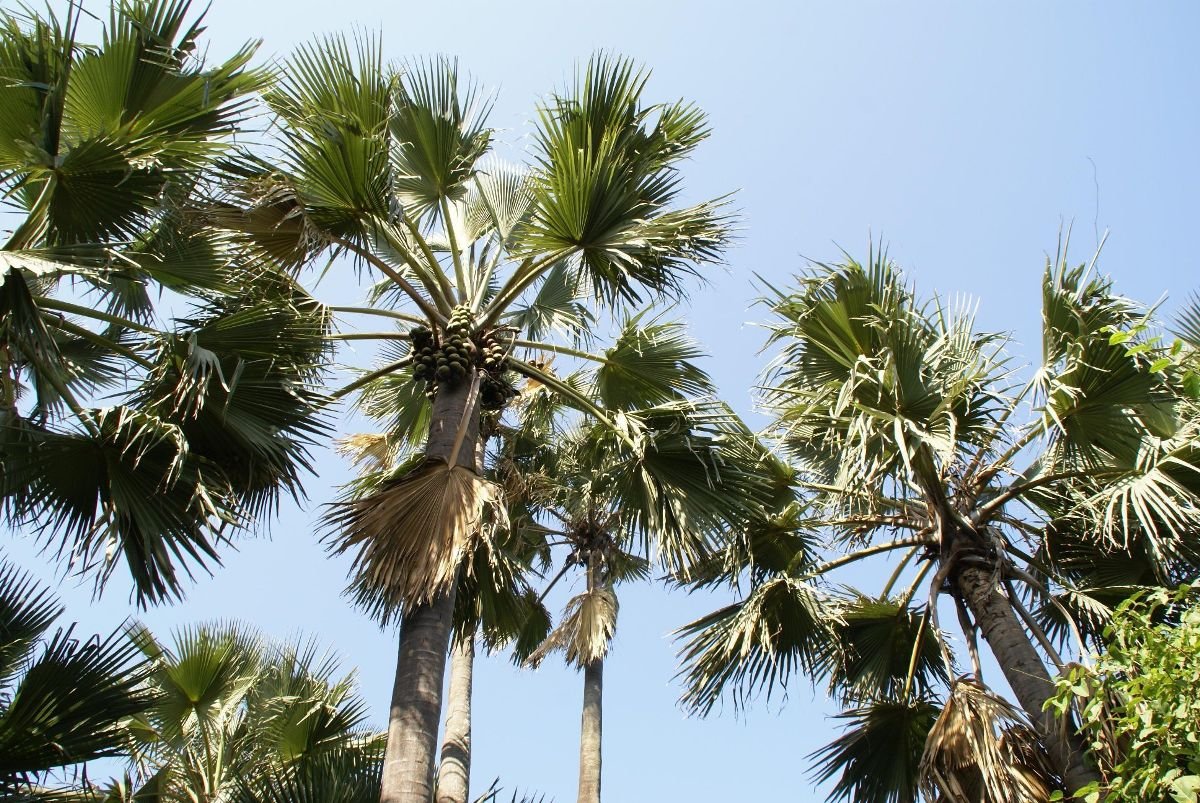
Haninuna collects lontar juice from baskets hung in the palm’s crown. The lontar palm is one of the most efficient sugar-producing trees on earth. A single tree can provide 200-400 liters of juice a year for up to 35 years. Freshly tapped lontar juice can be cooked to form a thick brown syrup called gula air, which cools into delicious sweet biscuits. Broad lontar leaves are woven into mats, betel nut boxes, containers for watering gardens, trays for winnowing rice, fans, umbrellas, belts, knife-sheaths, thatch, cigarette papers and even bags for transporting chickens to market.
The Rotinese also plait distinctive hats called tilangga out of the lontar leaf. Inspired by designs of 16th and 17th century Portuguese helmets, they feature a phallic appendage on the front. When interlaced, lontar leafstalks, which can grow up to 1.5 meters, make excellent fences, house partitions and even birdcages, or may be worked by stripping and twisting the fibers to make ropes, halters, bridles and a multitude of other items. When you hear “tree of life” you may think of that strange Brad Pitt film that thankfully did not win an Oscar this year.
But for Alexander Haninuna of Indonesia’s Roti island, the juice from what he knows as the tree of life was his first meal. When he dies, he’ll be buried in a coffin made from the wood of the same tree. All through his life he’ll be indebted to the lontar palm that grows in his backyard for everyday products such as mats, water containers, trays for winnowing rice, fans, umbrellas, belts, knife-sheaths, thatch, cigarette papers and even bags for transporting chickens to market. Haninuna, 50, lives on Roti, the southernmost island of the Indonesian archipelago and home to thousands of lontar palms, one of the planet’s most efficient sugar-producing trees.
Roti has suffered from surface erosion for many years, and in a great example of ecological efficiency the Rotinese have learned to utilize the tens of thousands of hardy lontar palms that are one of the few plants to flourish here.
Climbing trees not just for kids
Climbing and tapping the lontar is strictly a male activity. Boys begin by practicing on shorter palms — the trees can eventually grow to 30 meters — at an early age. From the age of 15 if they climb and work hard, boys can win the respect of their family and community, and in particular the adoration of the opposite sex.
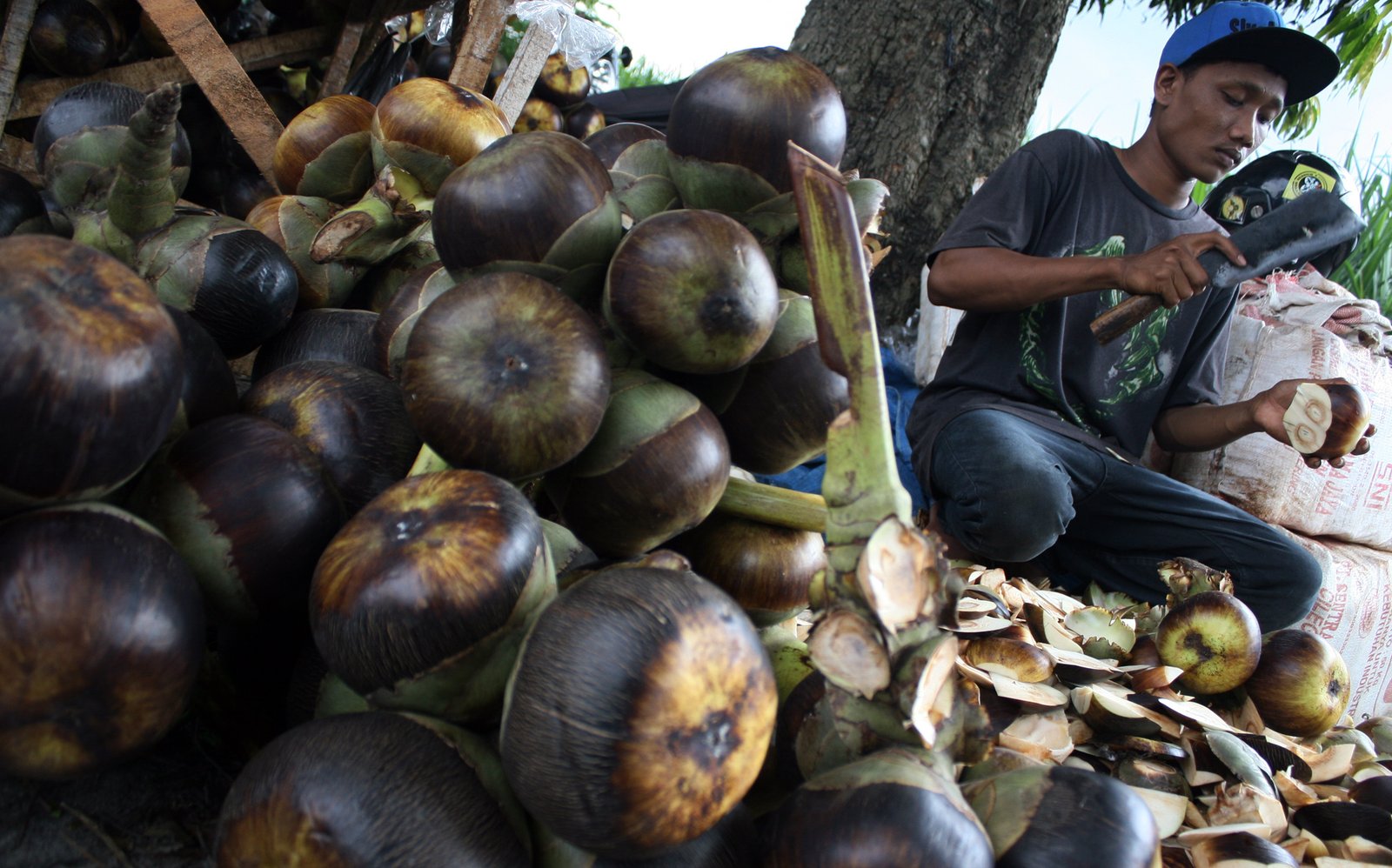
The treasured juice from the palm is called tuak manis, and forms a staple for the Rotinese, especially when other foods are unavailable. Two or three trees are enough to support a family — each tree can yield 200-400 liters of juice each year for up to 35 years.
Like most Rotinese men, Haninuna is an expert climber and has been scampering up and down these trees since he was a teenager. Because of the lontar, Roti and nearby Savu are the only islands in eastern Nusa Tenggara that do not experience lapar biasa — the annual food shortage.
1,000 uses and counting
The leaves of the lontar palm are also used to make ceremonial hats, worn here by Alexander Haninuna.
Tuak manis is the first nutrition that a newborn Rotinese baby receives, even before its mother’s milk. And when a Rotinese dies, he or she is buried in a coffin made from the hollowed-out trunk of the palm.
Tuak manis can also be cooked to produce gula lempeng — delicious biscuits of set brown sugar.
The leaves are never wasted. Houses are re-roofed every four to five years, and the old thatch is burnt in the garden to fertilize it.
The lontar is also used to make hats called tilangga for different occasions, ranging from everyday use to celebrations.
The lontar leaf also provides the Rotinese with a unique musical instrument called the sasando; the leaf is fashioned into a hemispherical sounding board into which a copper-stringed bamboo tube is inserted, producing a harp-like sound when plucked.
When the “tree of life” finally becomes old and unproductive, the trunk, which is stronger than coconut, can be shaped into house beams, posts and rafters or hollowed out for coffins or pig-feeding troughs.
First published April 2011, updated March 2012.
Getting There
Access to Roti (also spelled Rote) is via Kupang in Timor. Merpati Airlines flies from Jakarta and Denpasar (Bali) to Kupang (www.merpati.co.id). A passenger ferry sails daily between Kupang and Pantai Baru, a small mangrove-fringed bay on the northwestern side of Roti.
Public transport on Roti can be slow and unpredictable. If you are lucky you’ll find a bus going in the right direction, otherwise the other main option is a truck. This is the stuff that adventurous travelers revel in. Seated on a wooden plank high in the back of a truck with pigs, chickens and villagers as fellow passengers, you’ll get great views and make rewarding friendships.
Gallery :
Sugar plants-Rotinese- lontar palm
Some of the tools used to collect the lontar palm juice — tuak manis — all made from parts of the palm itself.
Rotinese- lontar palm- sugar plants
Alexander Haninuna, 50, climbs his first lontar palm of the day. Haninuna has climbed the three trees in his backyard thousands of times.
Rotinese- lontar palm- sugar plants
Haninuna collects lontar juice from baskets hung in the palm’s crown.
Lontar palm- Rotinese- sugar plants
The lontar palm is one of the most efficient sugar-producing trees on earth. A single tree can provide 200-400 liters of juice a year for up to 35 years.
Lontar palm- Rotinese- sugar plants
Freshly tapped lontar juice can be cooked to form a thick brown syrup called gula air, which cools into delicious sweet biscuits.
Lontar palm- Rotinese- sugar plants
Broad lontar leaves are woven into mats, betel nut boxes, containers for watering gardens, trays for winnowing rice, fans, umbrellas, belts, knife-sheaths, thatch, cigarette papers and even bags for transporting chickens to market.
Sugar plants- The lontar palm- Rotinese
The Rotinese also plait distinctive hats called tilangga out of the lontar leaf. Inspired by designs of 16th and 17th century Portuguese helmets, they feature a phallic appendage on the front.