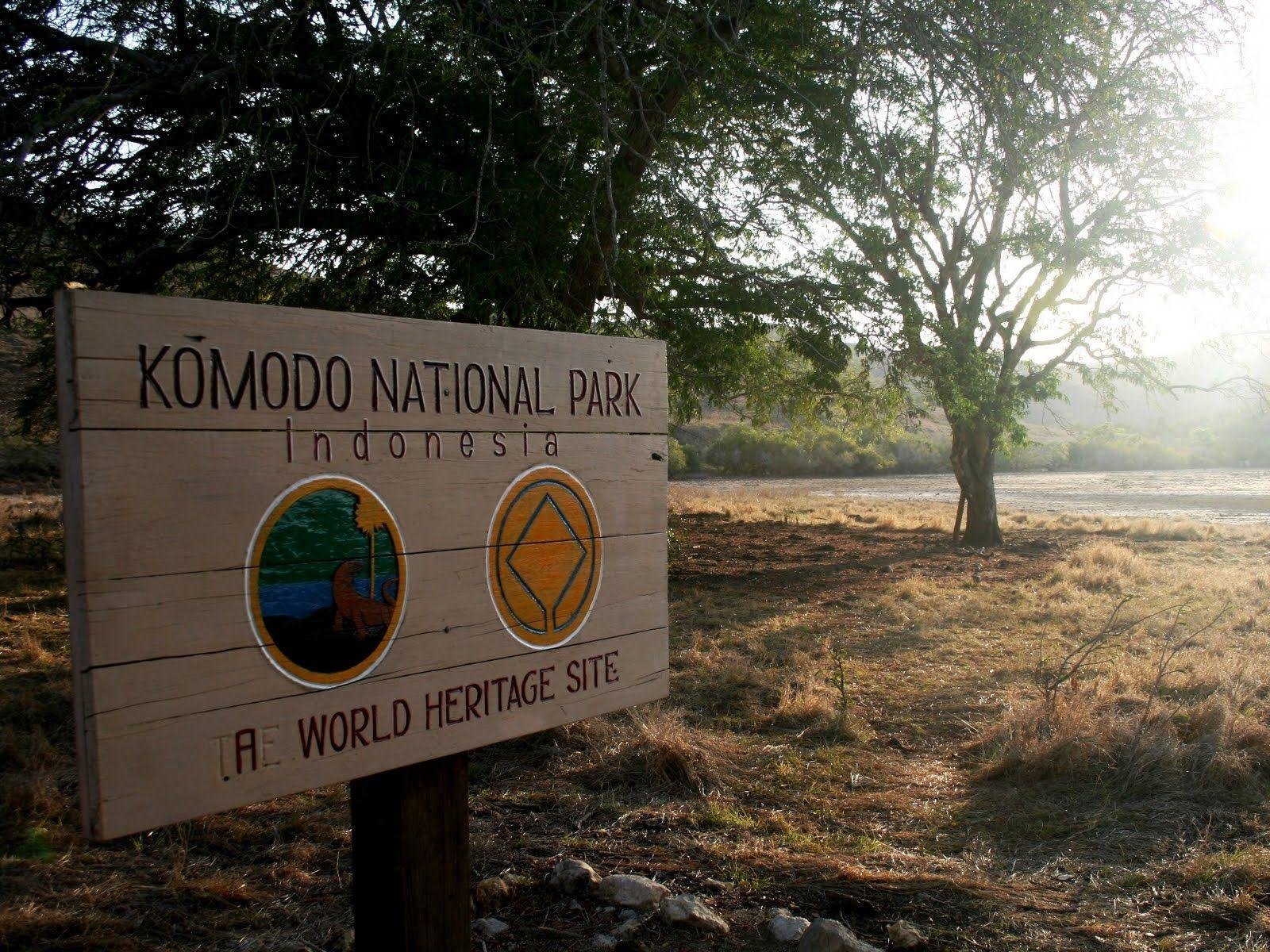
The Komodo National Park is one of the pure jewels of Indonesia. Its specific landscape and fauna makes it a unique destination for adventurous travellers and nature lovers. It is a marine reserve with dozens of wild islands inhabited by the world famous Komodo Dragon!
Liveaboard Diving in Komodo National Park is considered by some as the best diving location in Indonesia and even one of the best spots in the world by many people for big fishes and amazing underwater life. Crystal clear water, a lack of pollution, huge schools of fishes, pelagic fishes everywhere, sharks galore and the wonderful manta ray all year round make it a dream diving destination! Also this part of Indonesia is a bit off the touristic track (the banana pancake trail!) but is still easily accessible from Bali. To plan my trip I usually use this guide book as they have great maps and give a good overview of the Komodo, Labuan Bajo and Flores island.
What Do Komodo Dragons Eat?
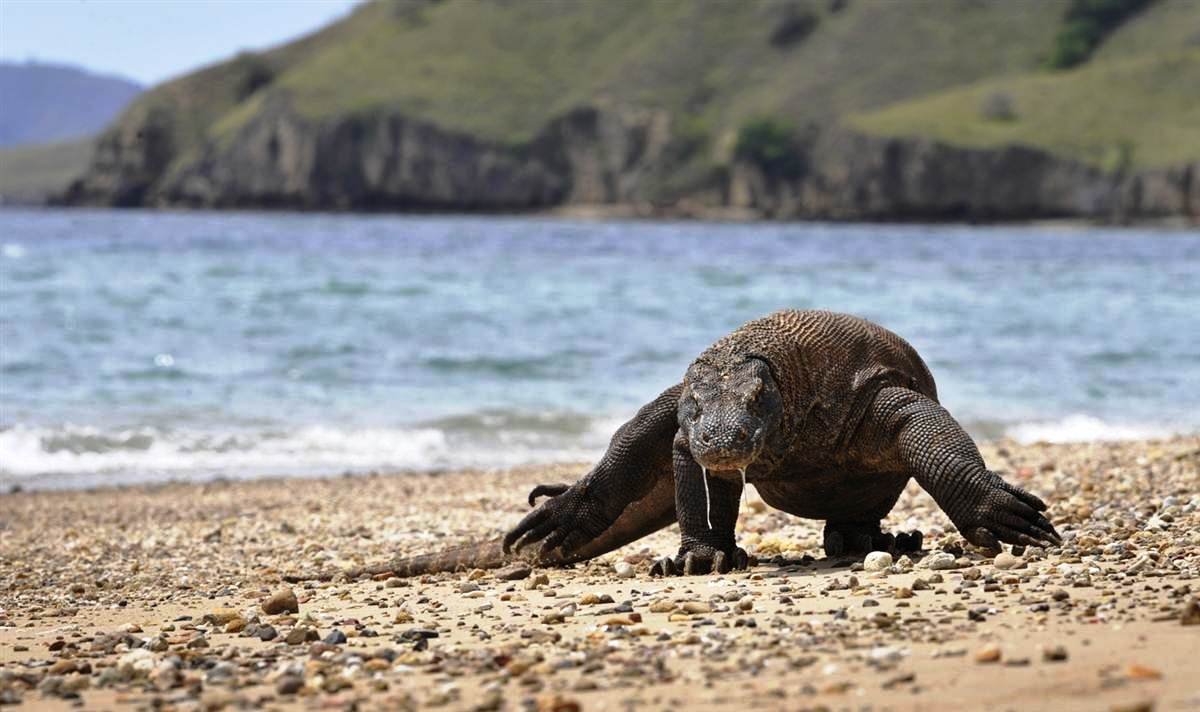
The scientific name of komodo dragons is Varanus komodoensis. These creatures are also called as komodo monitors. Komodo dragons are a type of large lizard predominantly found in the Indonesian islands including Komodo, Gili Motang, Rinca, Padar and Flores. Komodo dragons are the largest among the different species of lizards living today. They can grow up to a length of about 3 meters and measure up to 70 kilograms. It is said that their habitats are not challenging for them as there are no bigger carnivores. Therefore, they have grown so big in their size. On account of their large size, usually komodo dragons are the bosses of their ecosystem.
Komodo dragons are hunters
Their most common types of prey include mammals, invertebrates and birds. Big sized komodo dragons may feed on deer and carrion. Komodo dragons take delight to stalk on live prey. In addition, they also demonstrate scavenger preying habits feeding on carcasses of dead animals. The types of animals they feed on include goats, snakes, monkeys, sheep, cattle, wild boar, water buffalo and deer. Komodo dragons exhibit cannibalistic eating habits in the sense that they feed on younger members of their clans in addition to weak and diseased bigger members. Usually about 10% of their prey is made of other dragons. It is also not common to see komodo dragons stalking on humans.
Young Komodo Dragons
Once the young ones hatch from their eggs, they start feeding on insects. As they grow, they go on to hunt lizards, rodents and small mammals. In some cases, they also feed on the eggs of other wild animals.
Their hunting skills
Komodo dragons are very patient while hunting and they camouflage. They just lie down waiting for the prey to pass by. The body accessories that help them in feeding on animals include their very powerful legs, sharp and strong claws and serrated teeth resembling sharks. Their prominent physical features include long and flat heads, rounded snouts, bowed legs, long and big muscular tails and a scaly skin.
Deadly bite
Animals that escape from being a prey to the Komodo dragons have lesser chances to survive. The saliva of the komodo dragon teems with a very deadly venom. Therefore, the bites of komodo dragons are rather infectious and the animals bitten by them usually die within 24 hours due to the poisoning of blood. Therefore, even if the prey happens to escape, komodo dragons follow them stealthily and wait till they die to feed on them. In one meal, komodo dragons can eat as much as 80 percent of their total body weight.